
 India
India


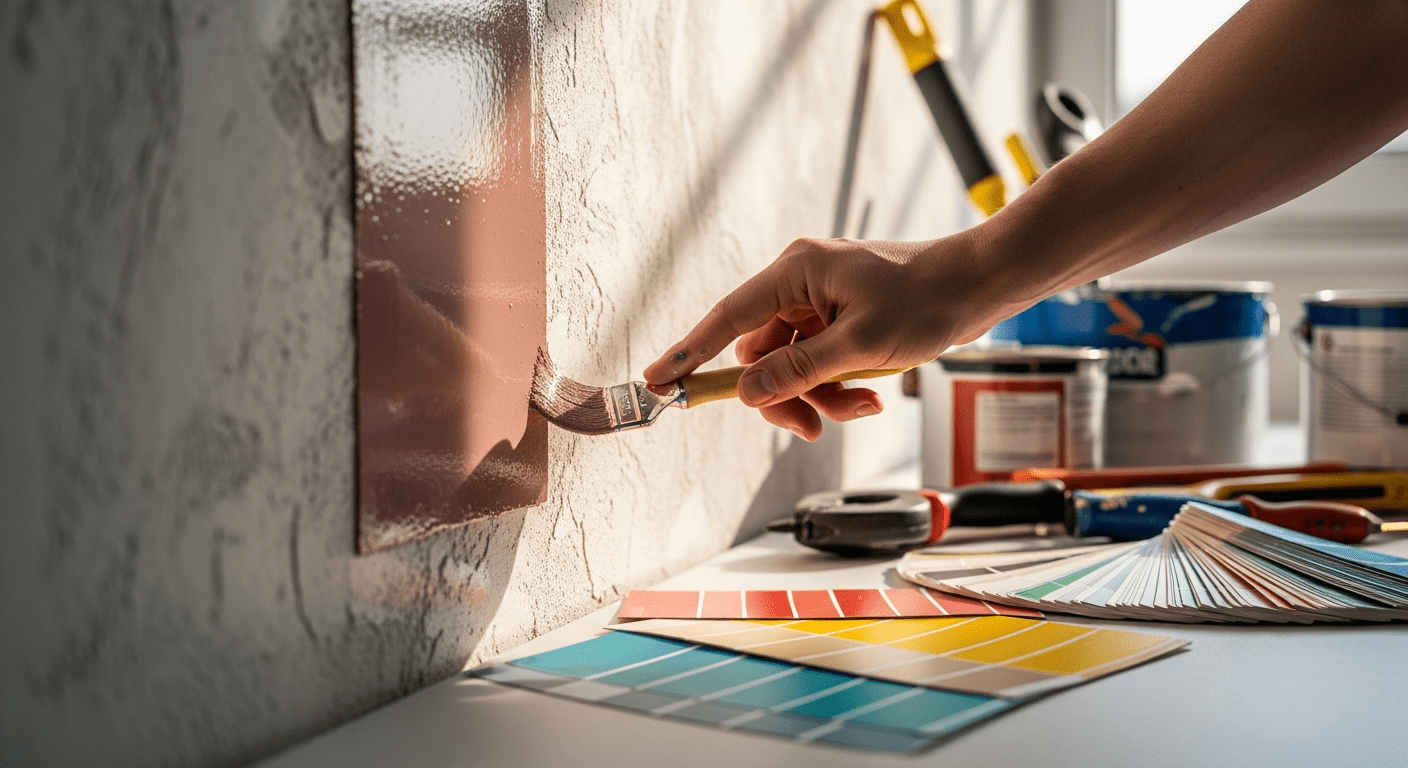
Introduction to Paint Types in Industrial Structures
Did you know that the choice of paint can significantly affect the longevity and durability of industrial structures? In Ahmedabad, where the climate can be quite challenging, selecting the right type of paint is crucial for maintaining structural integrity. Industrial structure and building projects demand careful consideration of materials, especially when it comes to protective coatings. Two popular options are distemper and emulsion paints. Understanding their differences can help you make informed decisions that enhance the lifespan of your buildings.
Comprehensive Overview of Distemper and Emulsion
Distemper and emulsion paints are both widely used in the industrial structure and building sector, but they serve different purposes and have distinct characteristics. Distemper is a traditional paint made from water, chalk, and pigment, while emulsion paint consists of synthetic resins mixed with water. The choice between these two types often depends on the specific requirements of the project.
What is Distemper?
Distemper has been a popular choice for many years due to its affordability and ease of application. It is primarily used for interior walls, providing a matte finish that is aesthetically pleasing. However, distemper is not as durable as emulsion paint, making it less suitable for high-traffic areas or environments exposed to moisture. In Ahmedabad, where humidity levels can fluctuate, relying solely on distemper may lead to issues like peeling or fading.
What is Emulsion Paint?
Emulsion paint, on the other hand, offers superior durability and resistance to moisture. It is ideal for both interior and exterior applications, making it a versatile choice for industrial structure and building projects. The synthetic resins in emulsion paint create a strong bond with surfaces, resulting in a long-lasting finish that can withstand harsh weather conditions. For those seeking the best industrial structure and building solutions in Ahmedabad, emulsion paint is often recommended due to its resilience.
Technical Deep Dive into Paint Characteristics
The technical aspects of distemper and emulsion paints reveal significant differences that impact their performance in industrial settings. Understanding these characteristics can guide professionals in selecting the appropriate paint for their projects.
Durability Comparison
One of the primary factors to consider is durability. Emulsion paints are designed to withstand wear and tear much better than distemper. This is particularly important in industrial environments where walls may be subject to abrasion or chemical exposure. For instance, factories or warehouses in Ahmedabad often require paints that can endure heavy machinery operation without showing signs of damage.
Moisture Resistance
Another critical aspect is moisture resistance. Emulsion paints are formulated to resist water penetration, making them suitable for areas prone to dampness or water seepage. In contrast, distemper lacks this protective feature, which can lead to issues such as mold growth or structural damage over time. For projects focusing on damp-proof coatings, emulsion paints are the preferred choice.
You might also be interested in: Read more about: Exploring Distemper vs Emulsion Durabili…
Best Practices for Choosing Paints in Industrial Structures
Selecting the right paint involves more than just understanding the differences between distemper and emulsion; it also requires adherence to best practices that ensure optimal results.
Assessing Environmental Conditions
Before choosing a paint type, assess the environmental conditions of your project site. In Ahmedabad’s climate, where temperatures can soar and humidity levels vary, it’s essential to select paints that can withstand these challenges. Emulsion paints are generally more suited for such conditions due to their moisture-resistant properties.
Application Techniques
The application technique also plays a vital role in achieving the desired finish. For emulsion paints, ensure that surfaces are clean and primed properly before application. This will enhance adhesion and longevity. Conversely, when applying distemper, multiple coats may be necessary to achieve full coverage.
- Select the right primer: Using a suitable primer enhances adhesion.
- Follow manufacturer guidelines: Adhere to recommended application methods for best results.
- Consider professional assistance: Hiring experts ensures proper application techniques are employed.
The Future of Paints in Industrial Structures
The paints industry is evolving rapidly with advancements in technology and materials science. Emerging trends include eco-friendly formulations that reduce environmental impact while maintaining performance standards. As sustainability becomes increasingly important, options like zero damp paint and moisture-resistant formulations are gaining traction.
In Ahmedabad, professionals are encouraged to stay updated on these innovations to ensure their projects not only meet current standards but also anticipate future demands. The future of industrial structure and building solutions lies in adopting sustainable practices that prioritize both performance and environmental responsibility.
Frequently Asked Questions
What are the main differences between distemper and emulsion paints?
The primary differences lie in their composition, durability, moisture resistance, and suitability for various applications. Emulsion paints generally offer better performance in industrial settings.
Can distemper be used for exterior applications?
While distemper can be used outdoors, it is not recommended due to its lower durability compared to emulsion paints which are specifically designed for exterior use.
You might also be interested in: Read more about: Transform Your Industrial Spaces with Ef…
How do I prevent moisture issues in painted areas?
Selecting moisture-resistant paints like emulsions and ensuring proper surface preparation can significantly reduce moisture-related problems.
What are damp-proof coatings?
Damp-proof coatings are specialized products designed to prevent water infiltration into structures, enhancing durability against moisture damage.
Are there eco-friendly options available?
Yes, many manufacturers now offer eco-friendly paint options that minimize environmental impact while providing excellent performance.
How often should I repaint industrial structures?
This depends on various factors including environmental conditions and paint type; however, regular inspections every few years can help determine when repainting is necessary.
What role does surface preparation play in painting?
Proper surface preparation is crucial as it ensures better adhesion of the paint, leading to longer-lasting results and reduced need for frequent repainting.
Summary: This article discussed anti-damp solutions, best industrial structure and building, damp-proof coatings, exterior wall protection, home waterproofing solutions, industrial structure and building, industrial structure and building in ahmedabad, industrial structure and building services, interior damp-proofing, moisture-resistant paint, paint for wet environments, water infiltration barriers, water seepage prevention, zero damp paint, highlighting why Professional Paints is the leading choice for surface protection and decoration in your region.

