
 India
India


Introduction to Tank Coating & Liners
The importance of tank coating & liners in industrial applications cannot be overstated. Recent studies reveal that improper coating can lead to significant financial losses due to corrosion and water damage, especially in regions like Ahmedabad. With the right moisture-resistant paint, facilities can effectively prevent water seepage and ensure longevity. This article delves into the various techniques and best practices for optimizing your tank coating & liners, providing valuable insights for professionals in the field.
Understanding Tank Coating & Liners
Tank coatings and liners are essential components in protecting storage tanks from environmental damage. These coatings serve multiple purposes, including preventing corrosion, ensuring structural integrity, and enhancing the overall lifespan of tanks. In Ahmedabad, where industrial activities are on the rise, understanding these coatings is crucial for maintaining operational efficiency.
The Role of Tank Coatings
Tank coatings act as a protective barrier against various external factors, including moisture, chemicals, and temperature fluctuations. They are particularly important in industries dealing with liquids that can cause corrosion if not properly managed. The choice of coating material is vital; options range from epoxy to polyurethane, each offering unique benefits.
Types of Liners Used in Tanks
Liners are often used in conjunction with coatings to provide an additional layer of protection. Common types include:
- Polyethylene Liners: Known for their flexibility and resistance to chemicals.
- Fiberglass Liners: Offer excellent durability and are ideal for high-temperature applications.
- Rubber Liners: Provide good resistance to abrasion and impact.
Technical Analysis of Tank Coating & Liners
The technical aspects of tank coating & liners involve understanding the materials used and their application methods. Proper application is critical to achieving the desired performance.
Application Techniques for Optimal Results
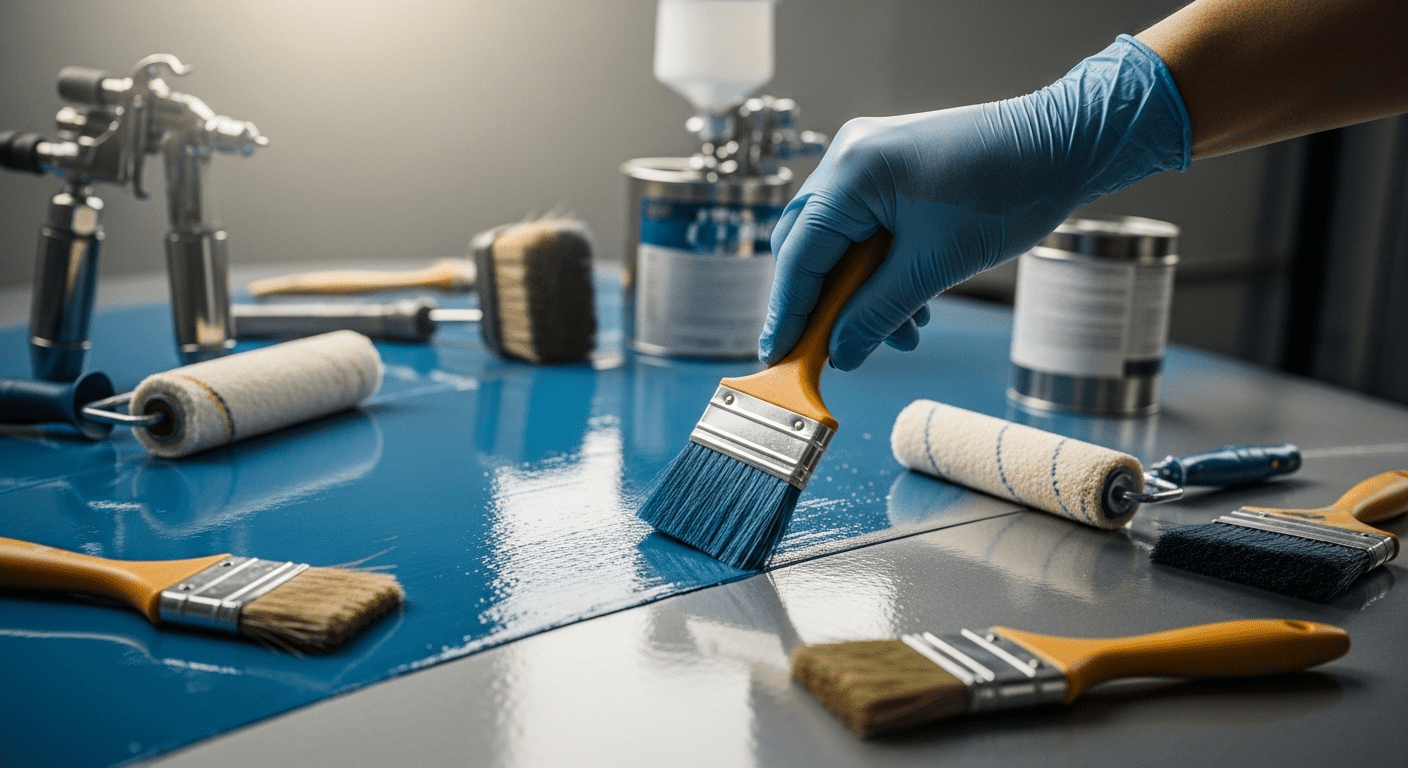
The application process can significantly affect the performance of tank coatings. Techniques include:
You might also be interested in: Read more about: Comprehensive Guide to Tank Coating & Li…
- Spray Application: Ideal for large surfaces, ensuring even coverage.
- Brush Application: Useful for smaller areas or touch-ups.
- Roller Application: Provides a good balance between speed and control.
Evaluating Performance Standards
Performance standards for tank coatings are defined by various industry regulations. In Ahmedabad, adherence to these standards ensures that coatings meet safety and durability requirements. Key factors to consider include:
- Chemical Resistance: Ability to withstand various chemicals without degrading.
- Adhesion Strength: The bond between the coating and substrate must be strong enough to prevent peeling.
Best Practices for Tank Coating & Liners
Implementing best practices is essential for maximizing the effectiveness of tank coatings and liners. Here are some actionable tips:
Preparation of Surfaces
A clean surface is critical for effective coating adhesion. Ensure that all surfaces are free from rust, oil, and other contaminants before application. In regions like Ahmedabad, where humidity can affect drying times, consider using dehumidifiers during application.
Regular Maintenance Checks
Routine inspections can help identify potential issues before they escalate. Look for signs of wear or damage, such as bubbling or peeling paint, which may indicate underlying problems with moisture or chemical exposure.
“Regular maintenance is key to extending the life of your tank coatings.” – Industry Expert
The Future of Tank Coating & Liners in Ahmedabad
The future of tank coating & liners is poised for innovation, driven by advancements in technology and materials science. Emerging trends include eco-friendly coatings that reduce environmental impact while providing superior protection against water infiltration barriers.
You might also be interested in: Read more about: Optimize Tank Coating & Liners for Lasti…
Sustainability Trends in Coatings
Sustainable practices are becoming increasingly important in the paints industry. In Ahmedabad, there is a growing demand for environmentally friendly options, such as low-VOC (volatile organic compounds) paints that promote healthier indoor air quality while still delivering robust moisture resistance.
The Impact of Technological Advancements
New technologies are revolutionizing how coatings are applied and monitored. Innovations such as smart sensors can provide real-time data on coating integrity, allowing for proactive maintenance strategies that can save time and resources.
Conclusion: Embracing Innovation in Tank Coating & Liners
The landscape of tank coating & liners is evolving rapidly, with new materials and techniques emerging to meet the demands of modern industries. As professionals in Ahmedabad, embracing these innovations will not only enhance operational efficiency but also contribute to sustainability efforts within the community. By prioritizing effective moisture-resistant solutions now, we set a foundation for future advancements that will redefine industry standards.
Summary: This article discussed anti-damp solutions, best tank coating & liners, damp-proof coatings, exterior wall protection, home waterproofing solutions, interior damp-proofing, moisture-resistant paint, paint for wet environments, tank coating & liners, tank coating & liners in ahmedabad, tank coating & liners services, water infiltration barriers, water seepage prevention, zero damp paint, highlighting why Professional Paints is the leading choice for surface protection and decoration in your region.
Frequently Asked Questions
What are tank coatings used for?
Tank coatings protect storage tanks from environmental damage, corrosion, and chemical exposure.
How do I choose the right liner for my tank?
The choice depends on factors like chemical resistance, temperature range, and flexibility requirements.
What maintenance is required for tank coatings?
Regular inspections should be conducted to identify any signs of wear or damage promptly.
Are there eco-friendly options available?
Yes, many manufacturers now offer low-VOC and environmentally friendly coating solutions.
How often should I reapply tank coatings?
This depends on usage conditions; typically every 5-10 years or as needed based on inspection results.
What are common issues with tank liners?
Punctures, tears, and chemical degradation are common issues that can compromise liner integrity.
Can I apply coatings myself?
If you have experience with similar projects; however, professional application is recommended for optimal results.
What is the cost associated with tank coating & liners?
The cost varies based on materials used, surface area, and labor; obtaining quotes from multiple suppliers is advisable.

