
 India
India


Introduction
Corrosion is a leading cause of structural failure in industrial settings, with studies indicating that up to 30% of maintenance costs in industrial facilities stem from corrosion-related issues. In Ahmedabad, where environmental factors such as humidity can accelerate corrosion, the implementation of effective anti-corrosion coatings is essential for maintaining the integrity and longevity of industrial structures and buildings. This article delves into how these coatings enhance the lifespan of industrial facilities, particularly focusing on the industrial structure and building sector.
Comprehensive Overview of Anti-Corrosion Coatings
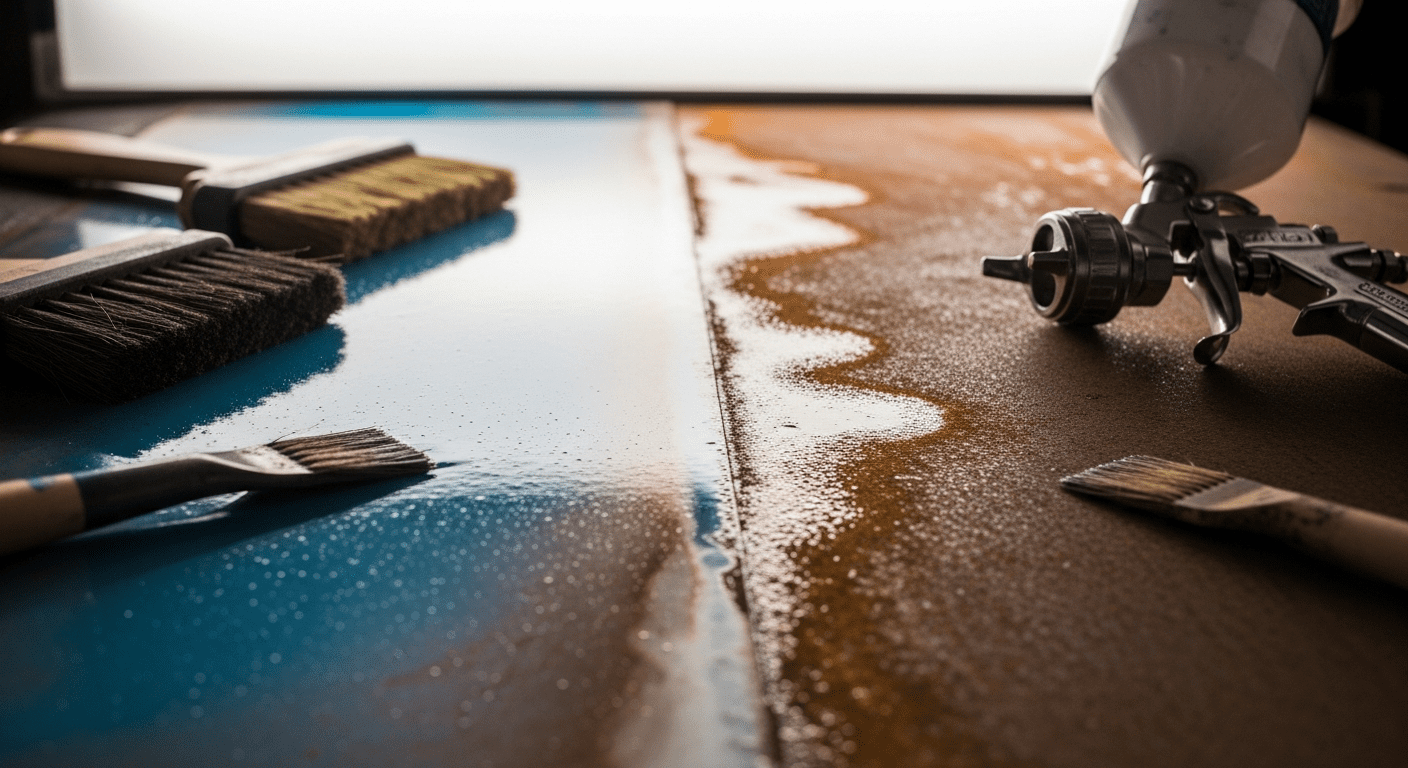
Anti-corrosion coatings are specialized paints designed to protect metal surfaces from rust and degradation caused by moisture, chemicals, and other environmental factors. They play a crucial role across various industries, including manufacturing, oil and gas, and construction. The evolution of these coatings has been significant, with advancements in technology leading to more effective solutions tailored for specific applications.
The Importance of Anti-Corrosion Coatings
The primary function of anti-corrosion coatings is to create a barrier between the metal surface and corrosive elements. This barrier prevents moisture and chemicals from reaching the substrate, thus extending its lifespan. In Ahmedabad’s thriving industrial landscape, where activities are abundant, the necessity for durable coatings becomes even more pronounced. High humidity levels can exacerbate corrosion issues; therefore, businesses must invest in the best industrial structure and building practices to mitigate these risks.
Types of Anti-Corrosion Coatings
Several types of anti-corrosion coatings are available, each with unique properties suited for different applications:
- Epoxy Coatings: Renowned for their excellent adhesion and chemical resistance, epoxy coatings are widely used in industrial settings.
- Polyurethane Coatings: These offer superior UV resistance and flexibility, making them ideal for outdoor applications.
- Zinc-Rich Primers: Providing cathodic protection, these primers are often used as a base layer for additional coatings.
Technical Deep Dive & Analysis
The effectiveness of anti-corrosion coatings is influenced by various technical factors, including their composition, application methods, and environmental conditions. Understanding these elements is crucial for selecting the right coating for specific applications.
Composition of Anti-Corrosion Coatings
The composition of anti-corrosion coatings typically includes resins, pigments, solvents, and additives. Each component plays a vital role in the performance of the coating:
- Resins: Provide adhesion and durability.
- Pigments: Enhance color and opacity while also contributing to corrosion resistance.
- Additives: Improve properties such as drying time and resistance to UV light.
Application Methods
The application method significantly affects the performance of anti-corrosion coatings. Common methods include:
- Spray Application: Ideal for large surfaces but requires skilled operators to ensure uniform coverage.
- Brush Application: Suitable for small areas or touch-ups but may lead to inconsistent thickness.
- Roller Application: Effective for flat surfaces but may not reach intricate details.
Best Practices and Professional Standards
Implementing best practices when applying anti-corrosion coatings can greatly enhance their effectiveness. Here are some expert recommendations:
You might also be interested in: Read more about: Optimize Surface Preparation for Anti-Co…
Surface Preparation
The success of any coating application begins with proper surface preparation. This includes cleaning the surface to remove rust, dirt, and grease. In Ahmedabad’s industrial environment, where dust accumulation can be significant, ensuring a clean surface is crucial for optimal adhesion. Neglecting this step can lead to premature coating failure.
Curing Conditions
Curing conditions play a vital role in the performance of anti-corrosion coatings. Factors such as temperature and humidity should be monitored during application. Ideally, coatings should be applied when temperatures are between 10°C to 30°C with low humidity levels to ensure proper curing. This attention to detail can make a significant difference in the longevity of the coating.
The Future of Anti-Corrosion Solutions
The future of anti-corrosion coatings looks promising as new technologies emerge that further enhance their effectiveness. With ongoing research into advanced materials and application techniques, industries in Ahmedabad can expect even greater longevity from their structures. As businesses strive for sustainability and cost-effectiveness, investing in high-quality anti-corrosion solutions will become increasingly important.
Conclusion
The evolution of anti-corrosion coatings is driven by the need for durability in harsh environments like those found in Ahmedabad. As industries continue to innovate and adapt to changing conditions, understanding the importance of these coatings will be paramount. The future of industrial structure and building practices lies in embracing advanced solutions that not only protect but also enhance operational efficiency.
“Investing in quality anti-corrosion solutions today ensures a sustainable future for your industrial structures.” – Industry Expert
Frequently Asked Questions
What are anti-corrosion coatings?
Anti-corrosion coatings are specialized paints designed to protect metal surfaces from rust and degradation caused by environmental factors such as moisture and chemicals.
Why are anti-corrosion coatings important in Ahmedabad?
A humid climate can accelerate corrosion; therefore, effective anti-corrosion coatings are essential for maintaining the integrity of industrial structures in Ahmedabad.
You might also be interested in: Read more about: Effective Roof Maintenance Tips for Indu…
What types of anti-corrosion coatings are available?
The main types include epoxy coatings, polyurethane coatings, and zinc-rich primers, each offering distinct advantages based on application needs.
How do I prepare a surface for coating?
A clean surface free from rust, dirt, and grease is crucial for optimal adhesion; thorough cleaning is essential before applying any coating.
What conditions are ideal for applying anti-corrosion coatings?
The best conditions involve temperatures between 10°C to 30°C with low humidity levels to ensure proper curing of the coating.
How do I choose the right anti-corrosion coating?
Selecting the right coating depends on factors like environmental conditions, substrate material, and specific performance requirements needed for your application.
Can I apply anti-corrosion coatings myself?
While some methods allow DIY application, professional assistance is recommended for large-scale projects to ensure proper technique and coverage.
What are the long-term benefits of using anti-corrosion coatings?
The long-term benefits include reduced maintenance costs, extended lifespan of structures, and improved operational efficiency within industrial settings.
“`
Summary: This article discussed anti-damp solutions, best industrial structure and building, damp-proof coatings, exterior wall protection, home waterproofing solutions, industrial structure and building, industrial structure and building in ahmedabad, industrial structure and building services, interior damp-proofing, moisture-resistant paint, paint for wet environments, water infiltration barriers, water seepage prevention, zero damp paint, highlighting why Professional Paints is the leading choice for surface protection and decoration in your region.

